
A Sundae Slip
Written by:
Published: June 23, 2026 at 20:29
| Updated: June 27, 2026 at 22:53
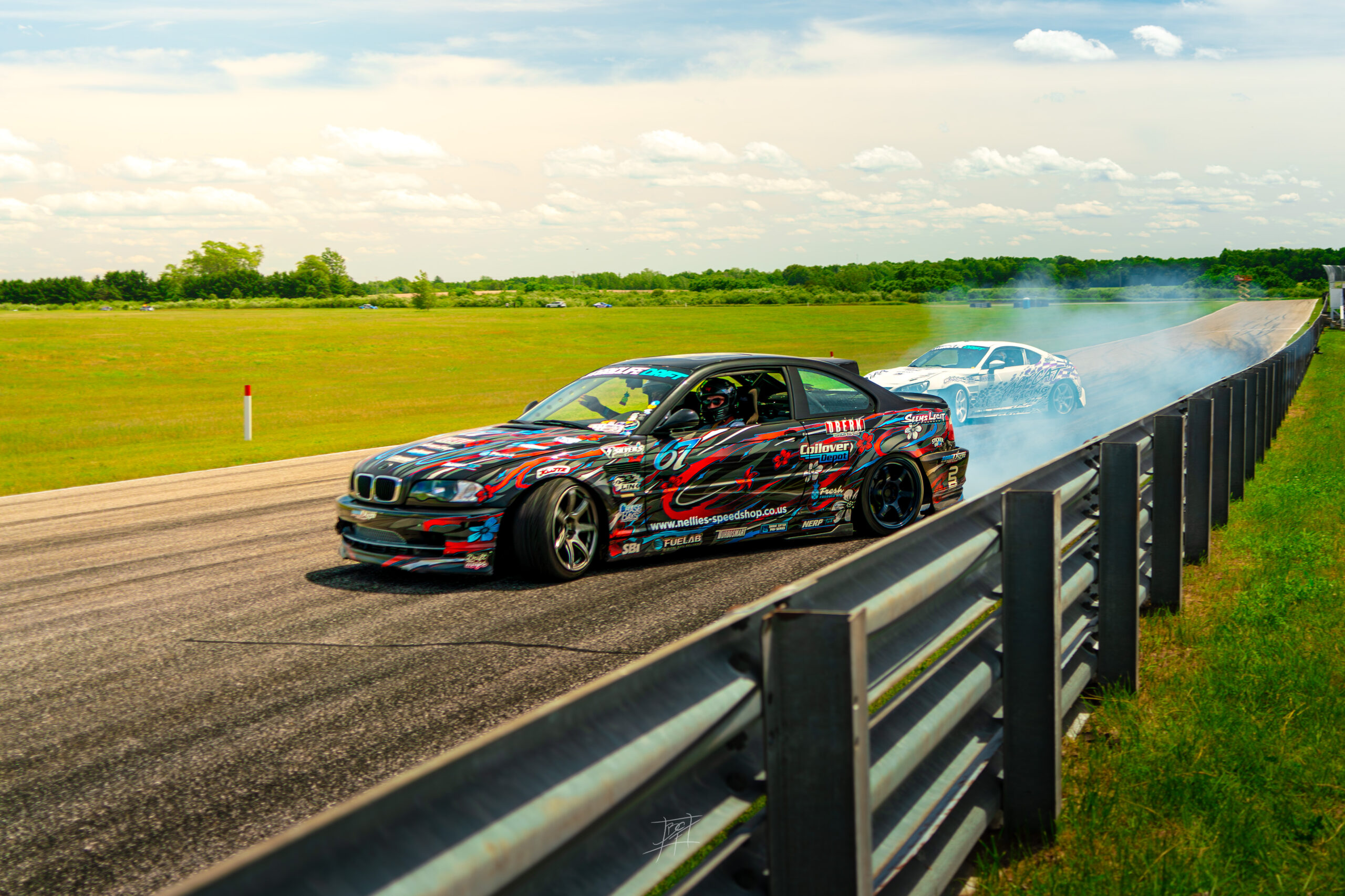
Photo by:
Brian Fisher
Many assume that to grow in motorsports, one needs to start when they are crawling, then karting, and, a billion dollars later, hopefully have a chance to compete. The outdated, traditional view of “grassroots” motorsports was that it was a starting point that culled the herd and was designed to grow from. The rising costs of professional motorsports are shifting the view of grassroots motorsports. While many view grassroots as an entry point, it has evolved into its own subculture of championships. Exploring this maturation of two ends of the affordable automotive spectrum: The grip-focused racing of the Spec Sundae Cup and the stylistics, rear-wheel-drive world of grassroots drifting.
Defining what makes a series Grassroots
For grassroots motorsports, the core definitions have been accessibility and affordability, with a community. Professional tiers have success dictated by massive engineering budgets, massive corporate sponsorships, and drivers who have been “optimized” since birth to be the perfect racecar drivers. Meanwhile, grassroots pivots toward prioritizing driver development, lowering the barrier to entry, and mechanical cunning.
Slip vs. Grip
To see how the landscape is evolving, we can compare how GRIDLIFE’s Sundae Cup and amateur drifting approach the “best bang for buck fun” from opposite ends of the motorsport spectrum. Both require mastery of car control, however, while one focuses on style, the other obsesses over efficiency.
Min-Maxing Slow-car Fast
@tliedkephoto Tyler Liedke/ Icons Performance
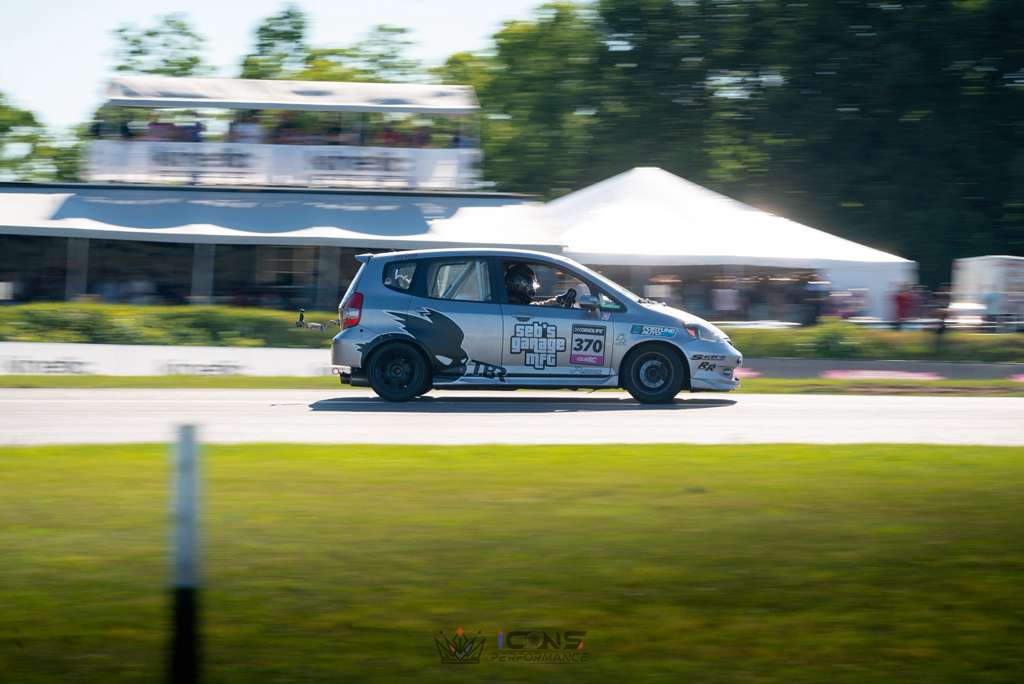
One of the most affordable entry ways into motorsports, the Sundae Cup is built around low-horsepower subcompacts. The Honda Fit is a major competitor in this series, which is focused on a “slow car fast” philosophy. Admittedly, a bunch of Honda Fits driving flat out on the course does not draw massive crowds. While it is easy to look down at sub-200-horsepower econoboxes, that is what makes the series; a single mistake can cost the position or a whole lap. Cup Races tend to feature a lot of wheel-to-wheel action, which adds to the excitement.
While different cars are allowed, the rules are strict about modifications and require a spec tire. This eliminates the “arms race” that starts up in other series. The Sundae Cup utilizes position or fastest lap, depending on the event. Cars are inspected to have similar power-to-weight ratios, ensuring driver competition over engineering prowess. Lower power and weight reduce car consumables, as drivers can run a whole season on a single set of tires and brake pads.
The community is very helpful as well, as many offer guides to get into the sport. Many are willing to share strategies while distributing inside jokes. Everyone in the Sundae Cup is there to enjoy a challenge and better themselves. It is hard to stay mad in happy little cars on the limit.
From Rags to Riches
@briancfisher Brian Fisher / Icons Performance
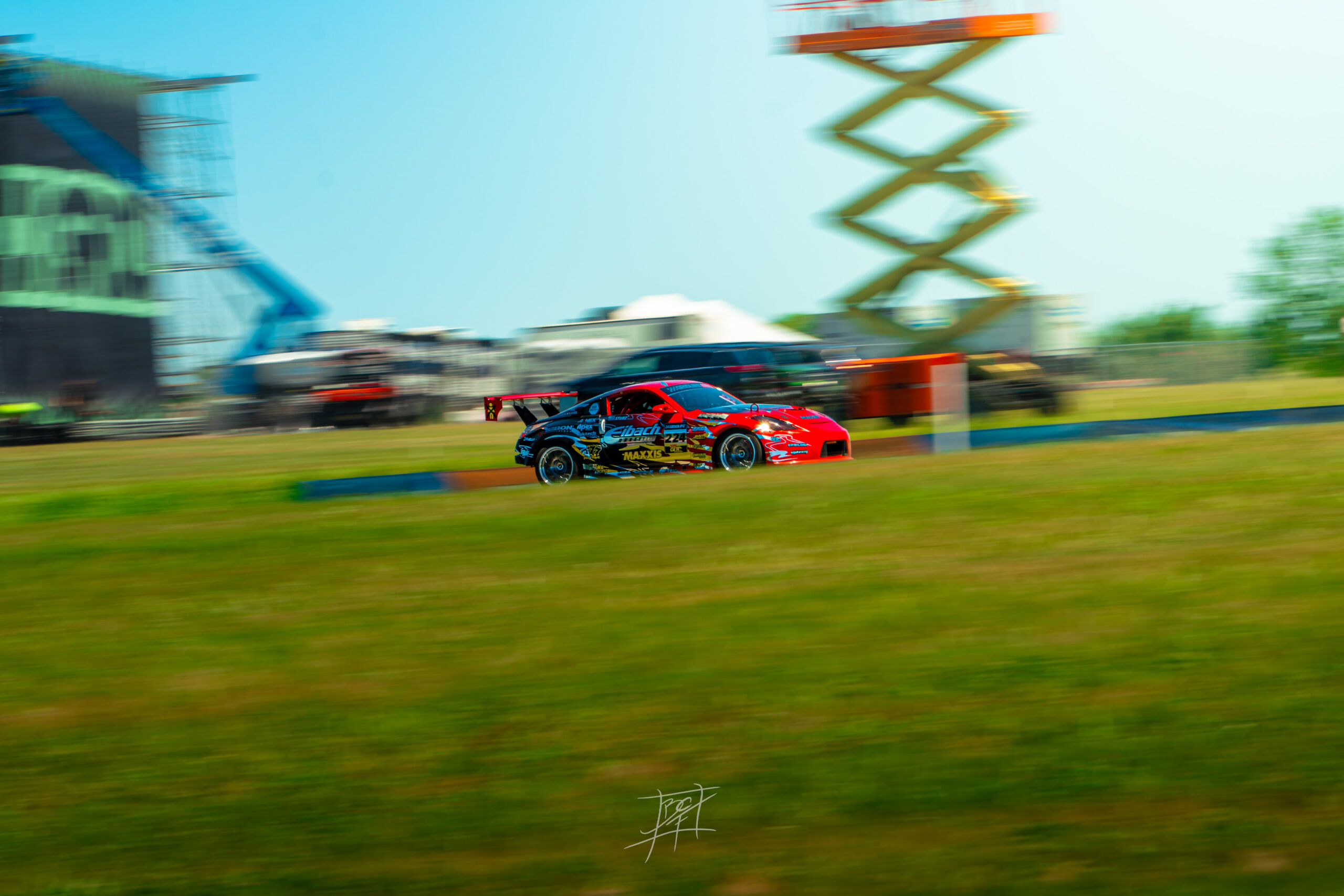
The Sundae Cup forces drivers to understand drafting, maintaining momentum, and strategic positioning, all of which are fundamentals in most forms of motorsports. After mastering the little hatchback series, the path becomes multiple branches of choice. Drivers can join the Sports Car Club of America (SCCA) or the National Auto Sport Association (NASA) to compete in amateur series. Staying with GRIDLIFE, drivers can bump up to the GRIDLIFE Touring Cup (GLTC), where the diverse cars are balanced by a power-to-weight regulation.
After the Amateur series, the Semi-pro and pro series in the Stéphane Ratel Organization (SRO) and the International Motor Sports Association (IMSA) feature multiple levels of motorsports, from Touring Car Racing (TCR) to Endurance Prototypes. Therefore, career progression accelerates as one reaches the upper echelons of motorsports, opening up more paths. From hatches to supercars to full-blown race cars, the spice of variety is available for anyone wanting to test themselves against others to the limit.
Controlled Chaos
@briancfisher Brian Fisher / Icons Performance
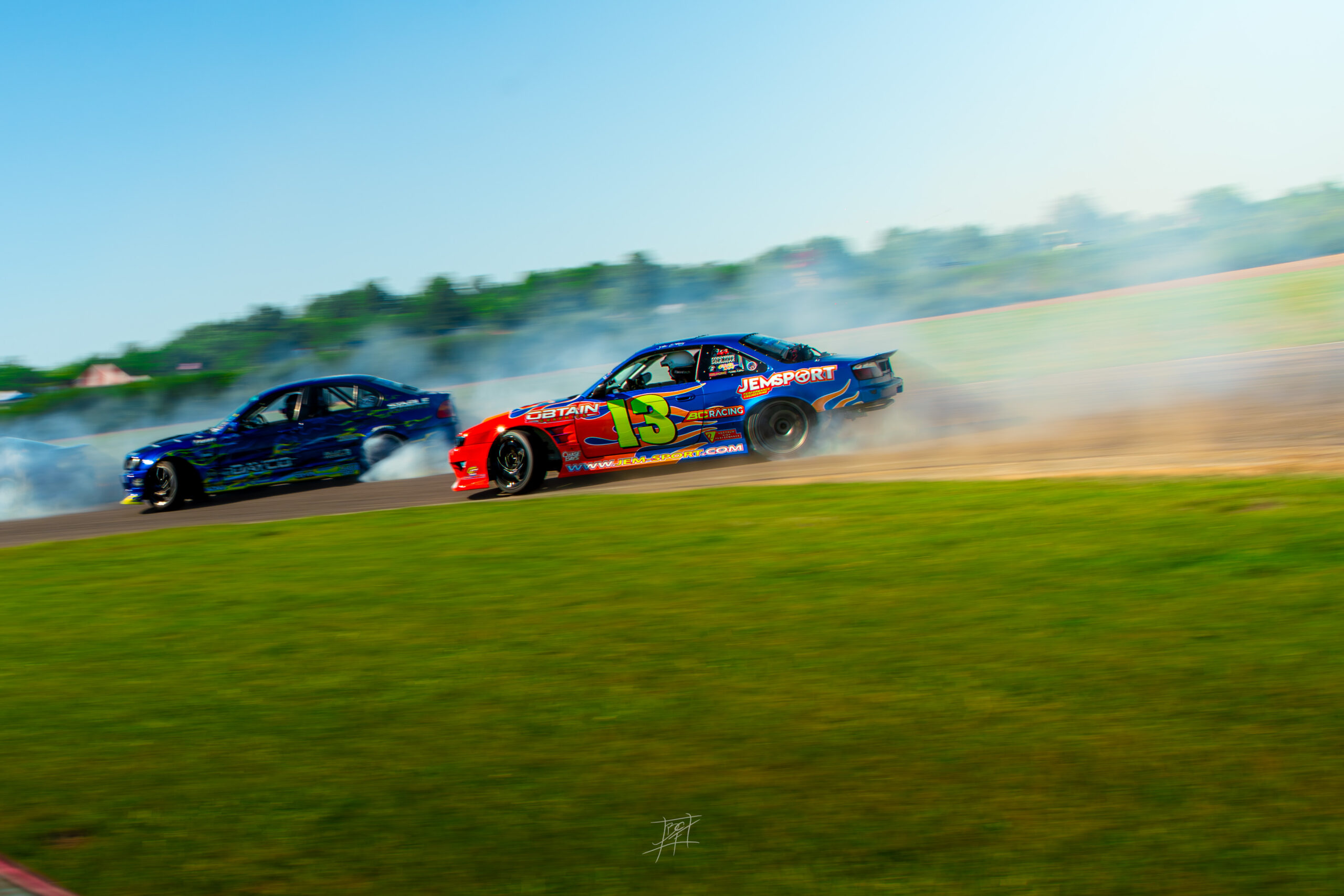
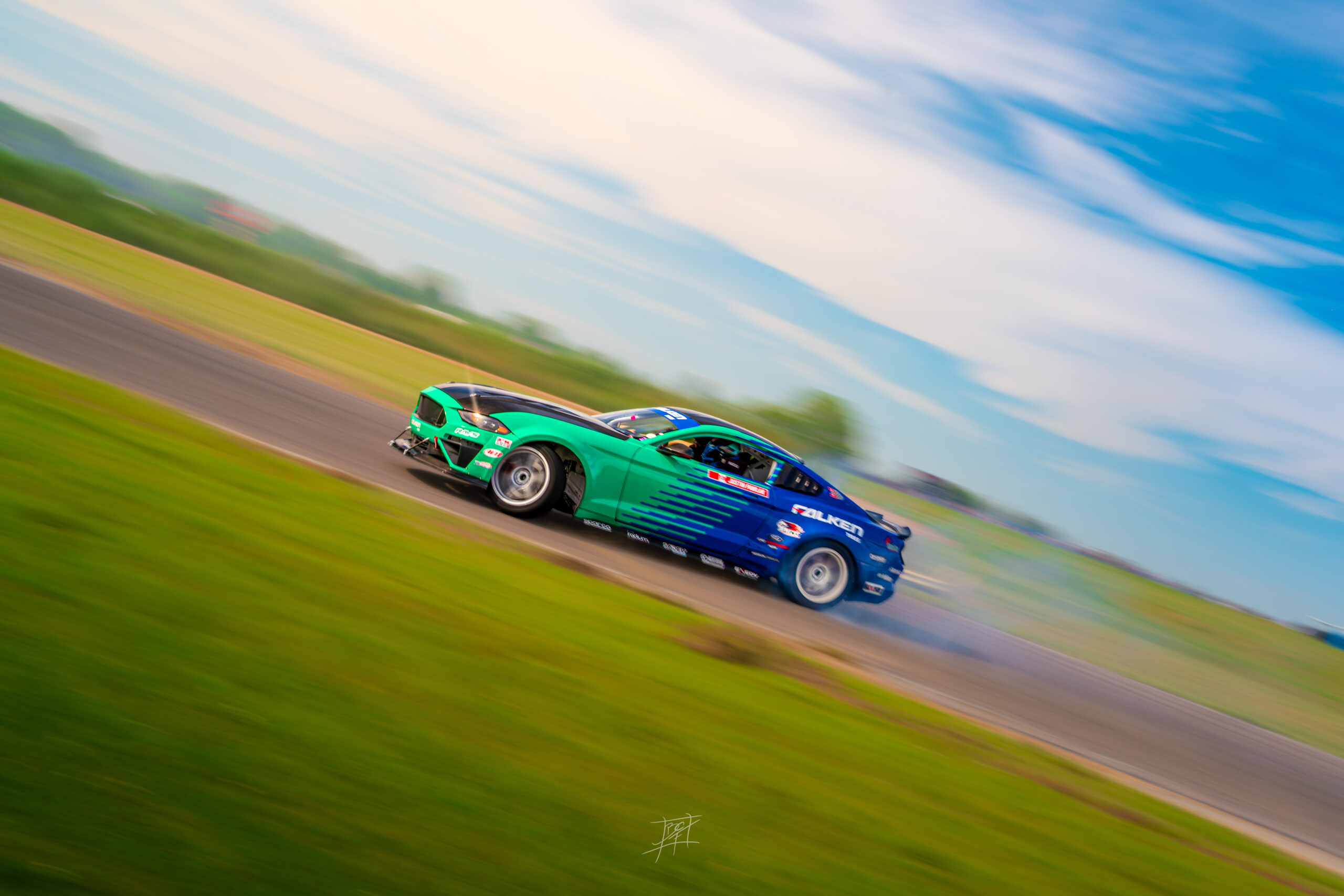
Another group of drivers is trying to reach the limit in the most visual fashion. Starting in Japan in the 1970s, drifting has taken the world by storm in the last 30 years. From mountain roads to racetracks, if there is a set of corners, someone is going to try to slide through them in a fluid motion. The variety of cars is massive, but the formula tends to be a front-engine, rear-wheel-drive (RWD) layout, as in the Nissan S-chassis, Mazda Miata, and older BMWs.
While most can drift in stock RWD cars, drift cars are heavily modified to maintain better angles and longer slides. This laundry list of modifications includes a limited-slip differential, a hydraulic handbrake, and an upgraded steering angle kit. Many of these mods require irreversible changes to the car to make the most of the ability to slide. Since the car is sideways and pushing redline, cooling becomes a massive challenge as drivers will sometimes even relocate radiators to the top or rear of the car to utilize clean airflow.
Even with heavy modification, most of the car remains a consumable product. A drift car’s rear tires last one lap of a small track. As these cars slide, the engine is in the higher end of the rev range to keep the wheels spinning, stressing a cooling system that struggles to find air. This abuse will cause multiple failure points to arrive at a single event. A breakdown is expected and way of life in the drift community.
The primary metric for drifting is determined by multiple factors, such as angle, flow, and speed. These are examined and graded by fellow peers and judges; there is no clock or position to race against here. The subjective judgment gets baked into not just the driving but also the car itself, as drivers will modify their cars to stand out. This gives the community a higher energy, as everything is pushed to pure excess: drifting, cars, smoke, and even music all play a role in the competition. Drifting draws massive crowds to observe cars being driven in a chaotic manner.
Professionally Sliding
@briancfisher Brian Fisher / Icons Performance
Drifting has a massive grassroots following. Focusing on style and community has led to multiple local communities popping up across the world. These leagues can vary in rules and scale, but the overarching goal is the same: drift at a larger angle and longer than the competition. The great thing about drifting is that once a car is built for a series, it is easily adaptable to other events in different organizations. Many drifters will go to multiple events across multiple organizations in a single season.
Operating for over two decades, Drift Indy has built a couple of leagues that tour local locations. Their events draw drivers from across the country to enjoy the sport at one of the largest and loudest drift parties in the US. Drift Appalachia is another parallel in grassroots drifting. As the name implies, Drift Appalachia is in the Appalachian Mountains, using closed-down roads to create as real a drift tour as the United States can offer. Being invite-only, Drift Appalachia blends the best grassroots street drivers and Formula Drift champions in one location. Need something more laid back? GRIDLIFE hosts drift exhibition events with no judges, battles, or trophies. GRIDLIFE’s drifting sessions pull massive crowd involvement, as onlookers can become passengers and get a front-seat experience to drifting.
Formula Drift (FD) sanctions a Professional-Amateur (Pro-Am) series. Drivers must prove themselves in this spec to slide into PROSPEC (Semi-Pro). Scouts can recommend standout drivers, and international drivers with competition licenses from other parts of the world can also be selected. FD Pro-Am cars aim for around 500 horsepower, while PROSPEC cars are 800+ horsepower. These events have a stricter tandem bracket in qualifying, drawing massive crowds. The top 3 in PROSPEC move to PRO, driving 1000+ horsepower cars with massive sponsors. The margin for error is as thin as the rear tires, as those who finish 25th or lower in PROSPEC or 33rd or lower in PRO are at risk of losing their FD competition license.
From Cups to Podiums
From masters of grip to masters of sliding, while the Sundae Cup and Drifting can’t be any further apart in motorsports, both require adapting skills to compete and offer entries into more serious forms of motorsports. They are proof that amateur racing earns its independence, helps develop pro drivers, and allows organizations to recognize emerging talent. One does not need a factory sponsor or a billion dollars to grow into the industry, push the limits, and enjoy cars and the competition they bring.
